
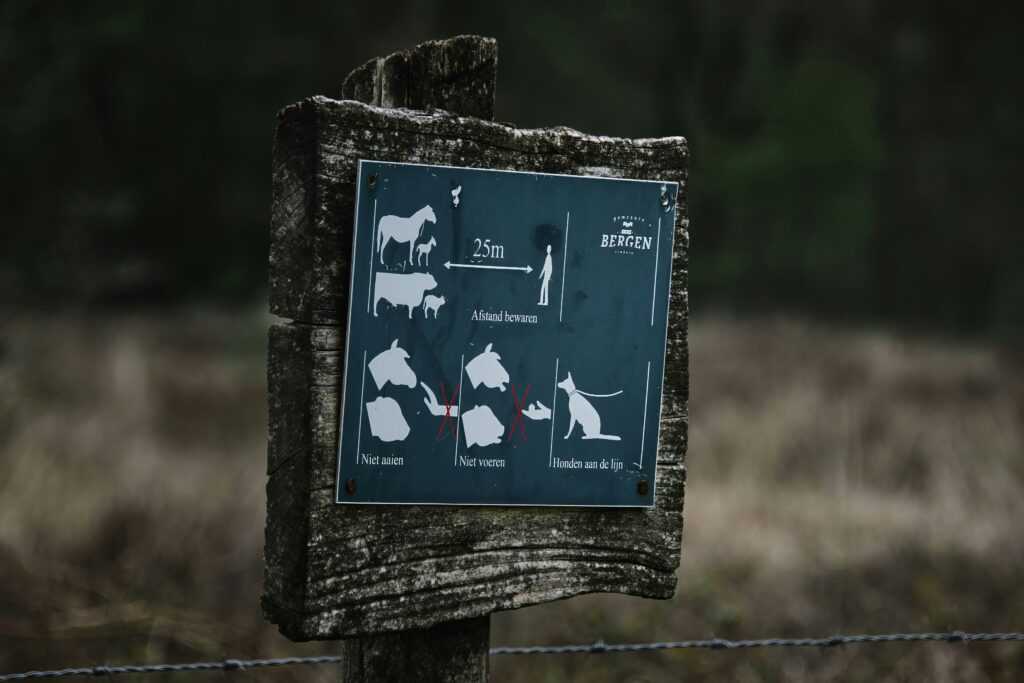
Signs You Should Never Ignore
A good tracker doesn’t just see the trail they read it like a live story. Fresh tracks are sharp, edges well defined, especially in damp ground or morning frost. Older prints round off, fill with debris, or get blurred by weather. Learn to feel the difference with your boots and your eyes. A warm track tells you you’re close. A cold one? You’re chasing shadows.
Droppings are another clock. Glossy, firm pellets mean recent movement maybe within hours. Dry and crumbled? That animal passed long ago. Bedding areas, with flattened grass or leaves, signal rest patterns. If it’s still warm, slow down. You’re in their zone. Scrapes and rubs, especially from bucks or bull elk, show territorial behavior. Fresh bark shavings or moist soil around a scrape? They’ve been there. Or they plan to circle back.
Now, sound and scent most novices ignore them. Don’t. Breaking twigs, sudden bird silences, or fatigued footsteps in crunchy leaves can betray game presence. On scent: wind is your friend or enemy. Smell musky air? You’re upwind. They’re likely near. You stink of camp fuel and jerky? They already know.
You’re not just tracking feet. You’re tracking life. Stay alert. Stay quiet.
Terrain, Timing, and Movement
You’re not just tracking animals you’re reading the land. Game behavior shifts depending on elevation, weather, and the season, and if you’re ignoring those changes, you’re burning daylight. Higher elevations often mean cooler temps and less pressure, so animals move differently than they do down low. In early fall, elk are calling and active all day up high. In midwinter, they drop into thicker cover or lower terrain, conserving energy and avoiding harsh weather.
Weather tips the scale. A cold front after a warm spell can kickstart movement. Rain works like a silencer for your approach and makes fresh tracks easier to read. Windy days can be both curse and blessing your scent carries farther, but the noise gives cover to your steps.
Use the wind and sun to your advantage. Stay downwind. Always. Rising thermals mid morning? Plan routes accordingly. Early and late, keep the sun at your back don’t get caught skylining on a ridgeline unless you want to say goodbye to your stalk. Shadows give you cover; learn to step inside them.
Finally, movement. Quiet is king. It’s not just about stepping softly it’s about slowing down altogether. Shift your weight mid step. Avoid thick, dry patches. Knees slightly bent for control. Move like something’s watching because something usually is.
Stalking Smarter, Not Harder
Closing the gap on big game isn’t about speed. It’s about reading the terrain, picking your moments, and moving like you belong in the woods. Every step counts. Use cover natural or terrain based as a transition point. Trees, rocks, or even shadow lines can hide your silhouette between movements. Never walk into open ground if you can crawl through concealment. If your target lifts its head or shifts, freeze. Wait. Let the tension pass.
Your gear can make or break a stalk. Loose buckles, jangling zippers, or stiff fabrics amplify your presence. Tape over metal buckles. Pack your essentials tightly. If you’re wearing a pack, balance the load so nothing shifts while you creep. Silence isn’t optional it’s survival.
But the real separator? Patience. Most blown stalks happen because someone got impatient. You wait for hours. You crawl for minutes that feel like days. You hold still until your muscles cramp. That’s how you earn a clean shot. The animal has the home field advantage your only edge is control. Sit inside that silence, and you’ll move closer than most ever will.
Applying it to Big Game Hunts
Tracking tactics work across species but how you apply them shifts depending on whether you’re following elk, deer, or moose. Elk are herd animals, constantly on the move and known for choosing high, remote country. For them, your focus should be on long distance glassing and following fresh sign quickly because staying still means falling behind.
Whitetail deer behave differently. They often stay closer to food sources, bedding down within tight home ranges. That calls for slower, more deliberate tracking. You’ll do better staying quiet, reading trails and rubs, and setting patient ambushes than trying to chase them down over miles.
Then there’s moose. Big, stubborn, and sometimes solitary. They’re less skittish but roam with erratic patterns through dense woods or wet swamps. Sound discipline and understanding terrain are key here you want to catch them unaware, not cornered.
Each animal requires a tweak in tactics. The common thread? Know the land, read the signs, and adjust your game to theirs. For a deep dive into scaling techniques across big game species, check out Mastering Tracking and Stalking Techniques in Big Game Hunting.
When to Stop Tracking and Start Waiting
Sometimes, persistence isn’t about pressing on. It’s about knowing when enough sign points to one thing: the animal has stopped moving.
A cluster of fresh tracks that end at a shady patch, droppings that seem warm and not yet dried, or a sudden silence in an area where you’ve been hearing regular movement all of these should raise your alert. The big one? If you’ve been tracking and the trail gets tight, like the animal has been circling or bedding down, chances are it’s close. That’s the moment to stop.
Instead of pushing forward, use its movement patterns to your advantage. If the animal’s trail hugged a ridgeline at dawn or followed a feeding corridor two mornings in a row, that’s where you want to be waiting tomorrow. Backtrack and set up an ambush zone somewhere with a line of sight but good cover, downwind, and quiet underfoot.
Being in the kill zone isn’t about distance. It’s about timing. You’re in it when the animal’s not just within range, but unaware and calm. That happens when you’ve read it right: where it’s headed, when it breaks cover, and why it lingers.
Don’t blow it by fidgeting or second guessing. Stay low. Watch your breathing. When it steps into view, you won’t need to shift. You’re already where it was going to be.
Dialing In the Details
Little things stack up fast in the field. Start with your boots. If they’re loud, heavy, or don’t fit right, you’ll blow your cover before you even see game. Go for quiet soles and solid ankle support anything else is noise.
Optics make or break your visibility. You don’t need the most expensive glass on the market, but clarity matters. Binoculars that fog up or scopes that drift even slightly will cost you shots in real conditions. Invest once, cry once.
Camo isn’t just fashion. Break up your silhouette with patterns that match your terrain and don’t forget about movement. Even the best camo fails if you’re flailing around in open brush. Add dull fabric tape to shiny gear parts. Mask everything.
Then there’s the field journal a tool most hunters ignore. Start taking notes on patterns. Wind direction. Time of sightings. Routes animals favor. Over a season, you’ll spot trends others miss. That data turns into instincts fast.
Finally, train your eyes. Most people scan the woods too fast. Slow down. Learn to catch the flicker of an ear, a patch of different color, the tiny twitch of muscle. Game isn’t hiding; you’re just not looking hard enough. Yet.
Your Next Move
Before heading out on that big elk or moose hunt, tighten your fundamentals. Start with small game. Rabbit, squirrel, even upland birds they may not seem like much, but they’ll sharpen your instincts fast. You’ll learn to move quietly, read quick sign, and make decisions under pressure. Miss a shot at a rabbit, fine. Miss a shot at a bull elk? That one lingers.
While you’re not in the field, open up that trail cam app. The patterns don’t lie watch enough footage and you’ll start to pick up on micro changes in light, posture, and movement that signal something’s about to happen. Train your eye now so it knows what to catch later, when it counts.
Before your next outing, double back on your fundamentals and dive into Big Game Tactics. Whether you’re drawing a bead at 300 yards or sneaking in to bow range, there’s no room for guesswork when you’re chasing the big stuff.
 Dominic Reed brings his extensive experience in outdoor survival and adventure sports to Terra Tactician Tactics, where he plays a crucial role in the platform's development. With a background in outdoor education and a deep love for wilderness exploration, Dominic is committed to creating content that inspires and informs readers. He specializes in writing articles on survival skills, advanced camping techniques, and gear recommendations, drawing from his own adventures and hands-on expertise. Dominic's practical approach and engaging storytelling help readers prepare for their outdoor pursuits, ensuring they are well-equipped for whatever nature throws their way.
In addition to his writing, Dominic actively collaborates with the team to expand the platform's reach and impact. He is passionate about connecting with the outdoor community and sharing his knowledge with those eager to learn more about survival tactics and adventure sports. His contributions have been instrumental in positioning Terra Tactician Tactics as a go-to resource for enthusiasts seeking to elevate their outdoor experiences. Dominic's dedication to the project is driven by his belief in the transformative power of nature and his desire to help others develop a deeper connection to the wild.
Dominic Reed brings his extensive experience in outdoor survival and adventure sports to Terra Tactician Tactics, where he plays a crucial role in the platform's development. With a background in outdoor education and a deep love for wilderness exploration, Dominic is committed to creating content that inspires and informs readers. He specializes in writing articles on survival skills, advanced camping techniques, and gear recommendations, drawing from his own adventures and hands-on expertise. Dominic's practical approach and engaging storytelling help readers prepare for their outdoor pursuits, ensuring they are well-equipped for whatever nature throws their way.
In addition to his writing, Dominic actively collaborates with the team to expand the platform's reach and impact. He is passionate about connecting with the outdoor community and sharing his knowledge with those eager to learn more about survival tactics and adventure sports. His contributions have been instrumental in positioning Terra Tactician Tactics as a go-to resource for enthusiasts seeking to elevate their outdoor experiences. Dominic's dedication to the project is driven by his belief in the transformative power of nature and his desire to help others develop a deeper connection to the wild.