
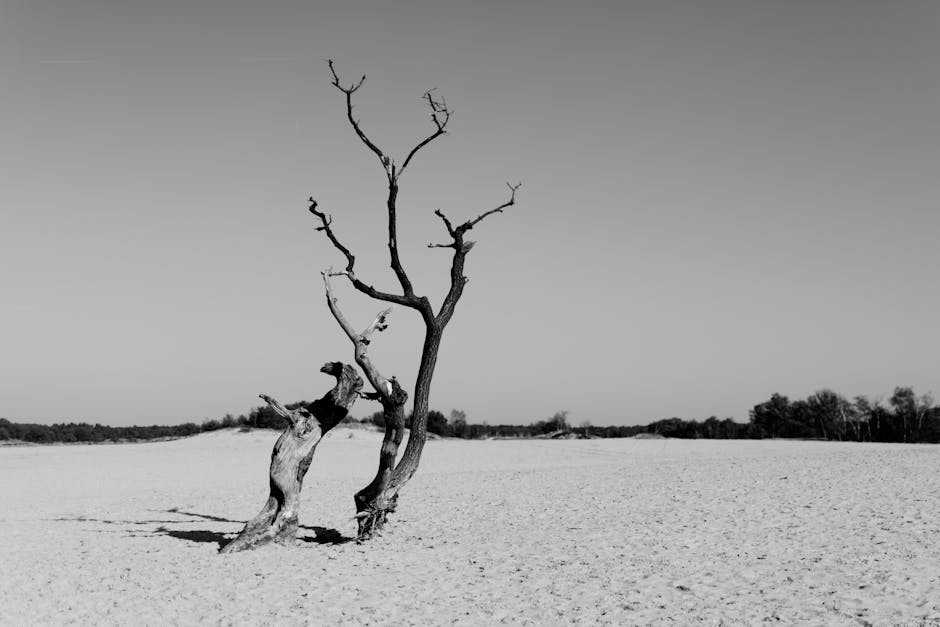
Weather Patterns Aren’t What They Used to Be
Spring arrives late. Winter comes early. Summer feels like it never ends, until a sudden storm dumps hail in the desert. That’s the new normal and for anyone heading into the backcountry, it changes everything.
Temperature swings that used to signal season shifts now happen in a single afternoon. One minute you’re sweating through your base layer, the next you’re reaching for a down jacket. Precipitation patterns are just as odd less snowfall, more flash rain, and zero guarantees. Predictable planning isn’t just hard; it’s outdated.
What does that mean for survival? First: pack like you’re prepping for three seasons at once. Relying on elevation or region alone just isn’t enough anymore. That heat dome you thought would peak mid July? It might hit in May. Thinking you’ll head out before first snow? It might already be on the ground.
Timing matters more now, but the window is narrow and moving. You’ll need to check forecasts constantly and still assume they might be wrong. Safety wise, gear that adapts fast layers, storm ready shelters, gear that dries quick isn’t optional. It’s survival kit material.
And the old wisdom? It still has value but less of it. You can’t use the same mental map as decades ago. That dependable ridge trail might now be wind battered and snow covered in early fall. Calendar based assumptions don’t hold. Flexibility does. The new rule is: expect less predictability. Train like it. Pack like it. Move like it.
Water Sources Are Less Reliable
That stream marked on your topographic map? Don’t count on it. More and more hikers and survivalists are reaching dry beds where water once flowed, thanks to prolonged droughts and shifting snowmelt timelines. Even when water does show up, runoff often comes laced with agricultural chemicals, bacteria, or wildfire ash. Spotting safe water now means more than just looking for “clear and flowing.” You’ll need better instincts and better tools.
Carrying backup purification tech isn’t optional anymore. Filters, chemical drops, UV purifiers smart hikers take at least two methods and know how to use them. And don’t assume you’ll just “find something along the way.” Routes should be planned with a scarcity mindset: check recent trail reports, talk to rangers, plan for dry stretches, and always carry more than feels comfortable. Water isn’t just part of survival it’s the first thing that will take you down if you get it wrong.
Wildfire Zones Keep Expanding
As climate change accelerates, wildfires are becoming a year round risk in areas that once had predictable fire seasons. For outdoor survivalists, this shift demands more than awareness it requires a fundamental change in planning and preparedness.
Longer, Less Predictable Fire Seasons
Once confined to just a few summer months, fire seasons now extend well into fall and in some regions, never fully go dormant. Sudden flare ups can occur with minimal warning, making traditional trip timing unreliable.
Fire season now spans more months of the year
Regions not previously fire prone are seeing increased activity
High winds and dry conditions can trigger instant wildfire threats
Smoke Exposure: A Hidden Health Risk
Even if you’re miles from active flames, wildfire smoke can severely impact your health and mobility on the trail. Air quality degrades rapidly and unpredictably, straining the lungs and complicating decision making.
Risk of respiratory issues from smoke even without direct fire contact
Reduced visibility affects navigation and reaction time
Vulnerable individuals (asthma, allergies) face higher risks
Gear Upgrades That Can’t Be Skipped
Modern wildfire scenarios call for gear once considered optional. Packing for this new reality means being ready to detour, shelter, or evacuate at a moment’s notice.
Essential wildfire zone gear includes:
Filtration masks to reduce smoke inhalation when air quality dips
Lightweight fire shelter kits compact lifesavers in sudden encroachment scenarios
Route alternatives mapped in advance in case primary trails become impassable
Proactive wildfire planning isn’t just smart it’s survival critical. In today’s changing climate, assuming “it won’t happen here” is no longer an option.
Trail Integrity and Navigation Challenges
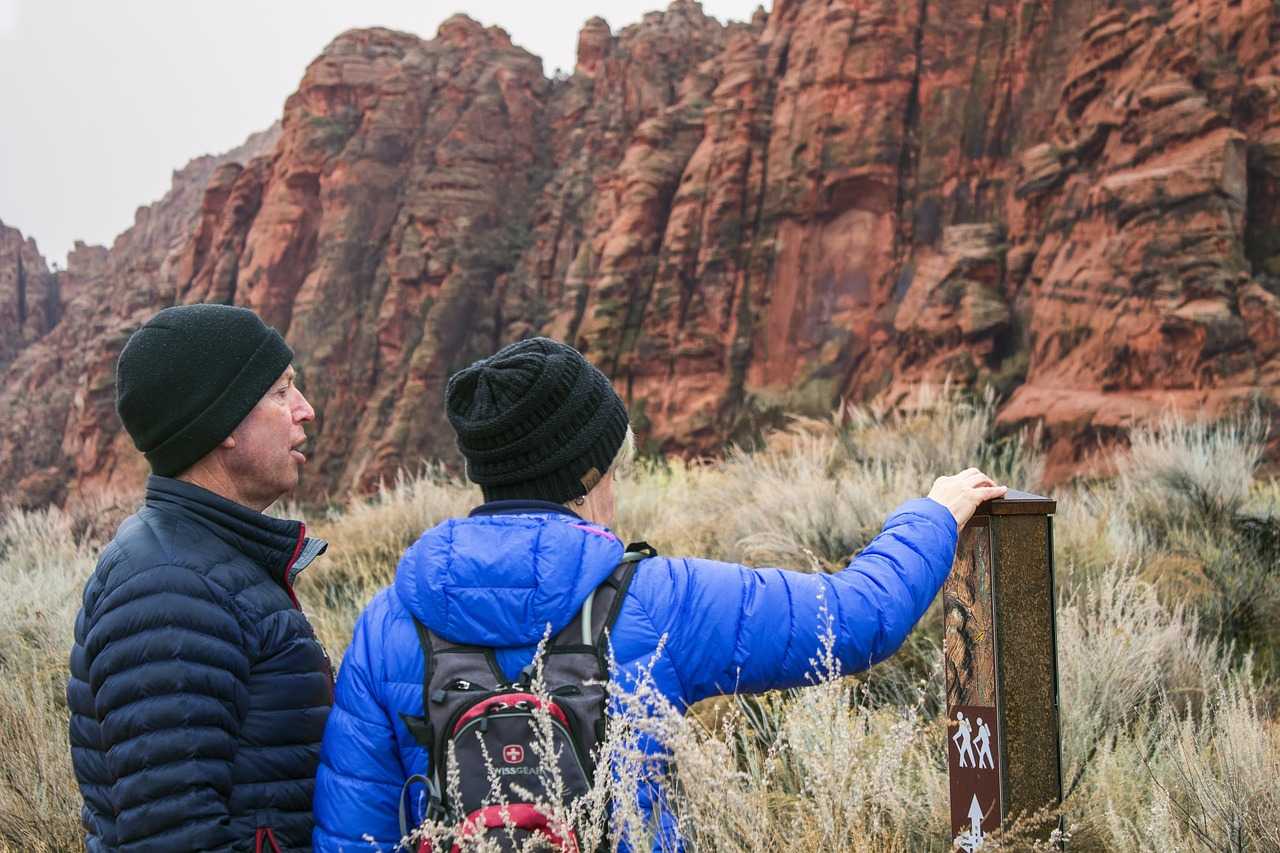
No matter how seasoned you are, the ground beneath your boots isn’t as dependable as it used to be. Landslides, flash erosion, and washed out trail markers are flipping familiar routes into question marks. Iconic trails some that have been navigated for generations are changing in real time. Ridges crumble, switchbacks vanish, and new hazards show up where maps still show smooth sailing.
Relying on a single navigation method is a fast track to trouble. Trail signage can be gone. Trees used as markers may be scorched or downed. Smart hikers carry more than one map, download offline GPS data, and calibrate for detours. Redundancy isn’t a luxury anymore it’s a baseline for not getting stranded.
Whether you’re planning a quick weekend on a well known path or a multi week backcountry push, assume change. Check recent trail reports from local ranger stations and blend analog with digital nav tools to stay nimble. What held up seasons ago might now be a mudslide waiting to cut your route short.
For more on how climate change is reshaping even the most dependable trails, see climate effects on trails.
Gear That Adapts to a Hotter, Harsher World
As climate conditions intensify, traditional gear lists aren’t enough. Survival equipment must now stand up to higher temperatures, volatile storms, sudden shifts in humidity, and longer periods of exposure. The right gear is no longer a luxury it’s a necessity.
Materials Made for Extremes
Your choice of materials can make or break your trip. Ultralight setups have evolved today’s gear can be both packable and highly resistant to extreme weather.
Synthetic blends that offer breathability and rapid moisture wicking
Reflective fabrics to deflect solar radiation and reduce heat absorption
Reinforced ripstop materials that hold up against harsh winds and terrain
Clothing That Works With the Weather
Layering still matters but now, your base and outer layers need to actively manage environmental extremes.
Heat blocking base layers that keep you cool while adding UV protection
Weather durable shells to shield against sudden downpours, high winds, or temperature drops
Convertible layers that adapt across shifting conditions without extra weight
Smart Tech for Real Time Readiness
Beyond traditional gear, smart tools are becoming essential. They offer real time insights that help you make better decisions on the move.
Personal weather trackers that warn of approaching storms or heat spikes
Satellite messengers and GPS devices with climate sensitive alerts
Apps and wearables that track altitude, pressure changes, and hydration levels
In the face of unpredictable conditions, upgrading your gear for climate resilience isn’t optional it’s a key survival strategy.
Skills That Matter More Than Ever
When the landscape no longer plays by the old rules, core survival skills become non negotiable. First is navigation because trail markers fade, paths wash out, and GPS can fail. You need to know how to orient by sun, terrain features, and a compass. Practice dead reckoning. Print your maps. Redundancy isn’t just smart; it’s essential.
Next: first aid. Climate driven injuries are real and rising. Know how to treat heat exhaustion and heatstroke (they’re not the same). Carry electrolyte packets, cooling wraps, and learn how to assess hydration fast. Smoke exposure adds another threat especially in wildfire zones. N95 or P100 masks should be in your pack, along with eye drops and info on how to recognize respiratory stress.
Then there’s storm exposure. Fast swings in weather mean a clear sky can turn dangerous in hours. Brief yourself on treating hypothermia and shock because storms now come harder and faster.
Finally: mental prep. Stay calm when the world isn’t. Decision fatigue creeps in faster when plans collapse. Focus on small, tangible steps shelter, hydration, direction. You can’t control the weather, but you can control your mindset. And sometimes, that’s what keeps you alive.
Building a Survival Plan That Doesn’t Assume Predictability
Old checklists won’t cut it anymore. What used to be a once in a decade storm might hit three times in one season. Trails that were safe for summer travel now wash out in spring. That means you need to build flexibility into every part of your survival planning.
Start with your timelines. Add buffer days. Assume delays. Wildfires, flash floods, sudden heat waves they don’t care about your itinerary. Your resupply strategy should factor in the possibility of blocked routes or isolated areas losing access. Consider multiple cache locations and ensure each one is accessible from different points.
Emergency contacts aren’t just about telling someone when you’ll be home. They need exact locations, backup plans, and clear check in expectations. In sketchy zones, even a four hour check in delay could mean the difference between a swift rescue and days lost.
Then there’s the training. Quick temperature swings can trigger rockfalls. Drought makes wildlife more aggressive near dwindling water sources. Smoke from remote fires can mess with your lungs a hundred miles away. These weren’t standard threats a decade ago, but they are now and your skills need to match.
Adaptability isn’t a bonus anymore. It’s core. The outdoors is less predictable and more volatile. Survival in the backcountry or at the trailhead is now about how quickly you can pivot when the plan breaks down. Because it probably will.
 Ashleyen Gurganusoon, the founder of Terra Tactician Tactics, has always had a profound passion for the great outdoors and a deep-rooted belief in the power of nature to inspire and transform lives. With a background steeped in adventure and exploration, Ashleyen launched Terra Tactician Tactics to share her love for nature and to create a platform where outdoor enthusiasts of all levels can find valuable resources, expert advice, and the latest trends in outdoor activities. Her vision is to empower people to embrace the challenges and beauty of the wild, providing them with the knowledge and confidence to venture safely and enjoyably into nature.
Under Ashleyen’s leadership, Terra Tactician Tactics has become a trusted source for outdoor and survival enthusiasts worldwide. Her dedication to curating high-quality content on camping, hiking, backpacking, fishing, hunting, and adventure travel reflects her unwavering commitment to fostering a community that shares her passion for the outdoors. Ashleyen's approach is driven by her desire to help others experience the joys of nature and adventure while prioritizing safety, sustainability, and respect for the environment. Through Terra Tactician Tactics, she continues to inspire countless individuals.
Ashleyen Gurganusoon, the founder of Terra Tactician Tactics, has always had a profound passion for the great outdoors and a deep-rooted belief in the power of nature to inspire and transform lives. With a background steeped in adventure and exploration, Ashleyen launched Terra Tactician Tactics to share her love for nature and to create a platform where outdoor enthusiasts of all levels can find valuable resources, expert advice, and the latest trends in outdoor activities. Her vision is to empower people to embrace the challenges and beauty of the wild, providing them with the knowledge and confidence to venture safely and enjoyably into nature.
Under Ashleyen’s leadership, Terra Tactician Tactics has become a trusted source for outdoor and survival enthusiasts worldwide. Her dedication to curating high-quality content on camping, hiking, backpacking, fishing, hunting, and adventure travel reflects her unwavering commitment to fostering a community that shares her passion for the outdoors. Ashleyen's approach is driven by her desire to help others experience the joys of nature and adventure while prioritizing safety, sustainability, and respect for the environment. Through Terra Tactician Tactics, she continues to inspire countless individuals.