
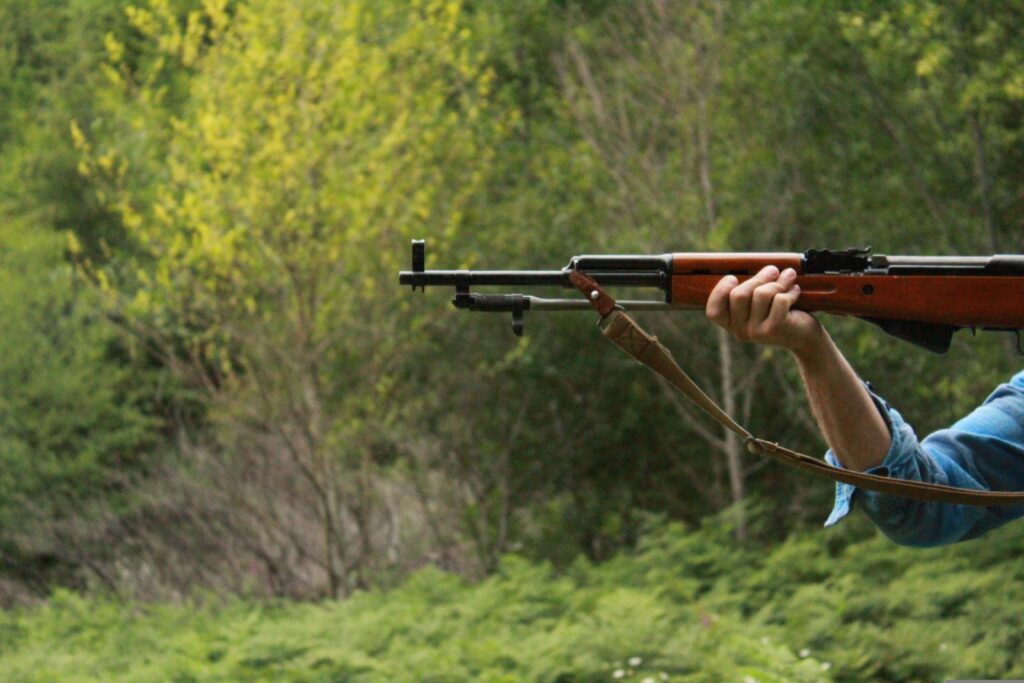
Most hunters invest heavily in gear and spend far less time developing the skills that actually close the distance on game. Fieldcraft, the practical set of abilities that lets a hunter move through, read, and respond to wild terrain, is what separates consistent success from lucky encounters. It covers everything from how quietly a person walks through dry leaves to whether they notice a flicker of movement at 200 yards before the animal notices them.
At its core, fieldcraft breaks into two interconnected skill sets. The first is movement and concealment, which includes stealth, camouflage, and scent control. The second is observation and interpretation, built around wind reading, tracking, and reading animal behavior in the field. Both depend on each other. A hunter who moves perfectly but misreads the wind gives themselves away. One who reads sign expertly but stumbles through cover never gets close enough to act on it.
Woodsmanship, as older generations called it, was never about a single technique. It was the accumulated habit of noticing things and adjusting before mistakes compounded. Tracking and stalking big game is one expression of that, and game behavior is another. Together, they form the foundation every other hunting skill gets built on.
The Fieldcraft Skills That Matter Most
Good fieldcraft is less about any single technique and more about how several habits work together in the field. The two skill clusters below, movement and concealment on one side, and observation and interpretation on the other, are where most of the real work happens.
Move, Spot, and Approach Without Alerting Game
Stealth is not just about walking quietly. It is about controlling every variable that might register with an animal before a hunter is in position. Camouflage reduces visual contrast against the surrounding terrain, while scent control limits the olfactory information drifting downwind. Neither works in isolation.
Slow, deliberate movement through cover matters as much as the gear a hunter wears. Pausing to scan before stepping, using terrain features to break up a silhouette, and timing movement to coincide with wind gusts or ambient noise are all habits that compound over time into a measurable advantage.
Read Sign, Wind, and Animal Behavior
Reading animal behavior in the field starts with understanding what sign actually means in context. A fresh rub near a water source tells a different story than one found on a ridge transition. Wind direction determines where a hunter can and cannot go at any given moment, and ignoring it undoes every other effort.
Tracking and stalking big game builds on this same observational foundation. The ability to interpret tracks, trails, and feeding patterns, and then adjust a plan accordingly, is what turns scouted ground into a real opportunity.
Start Before the Hunt Ever Begins
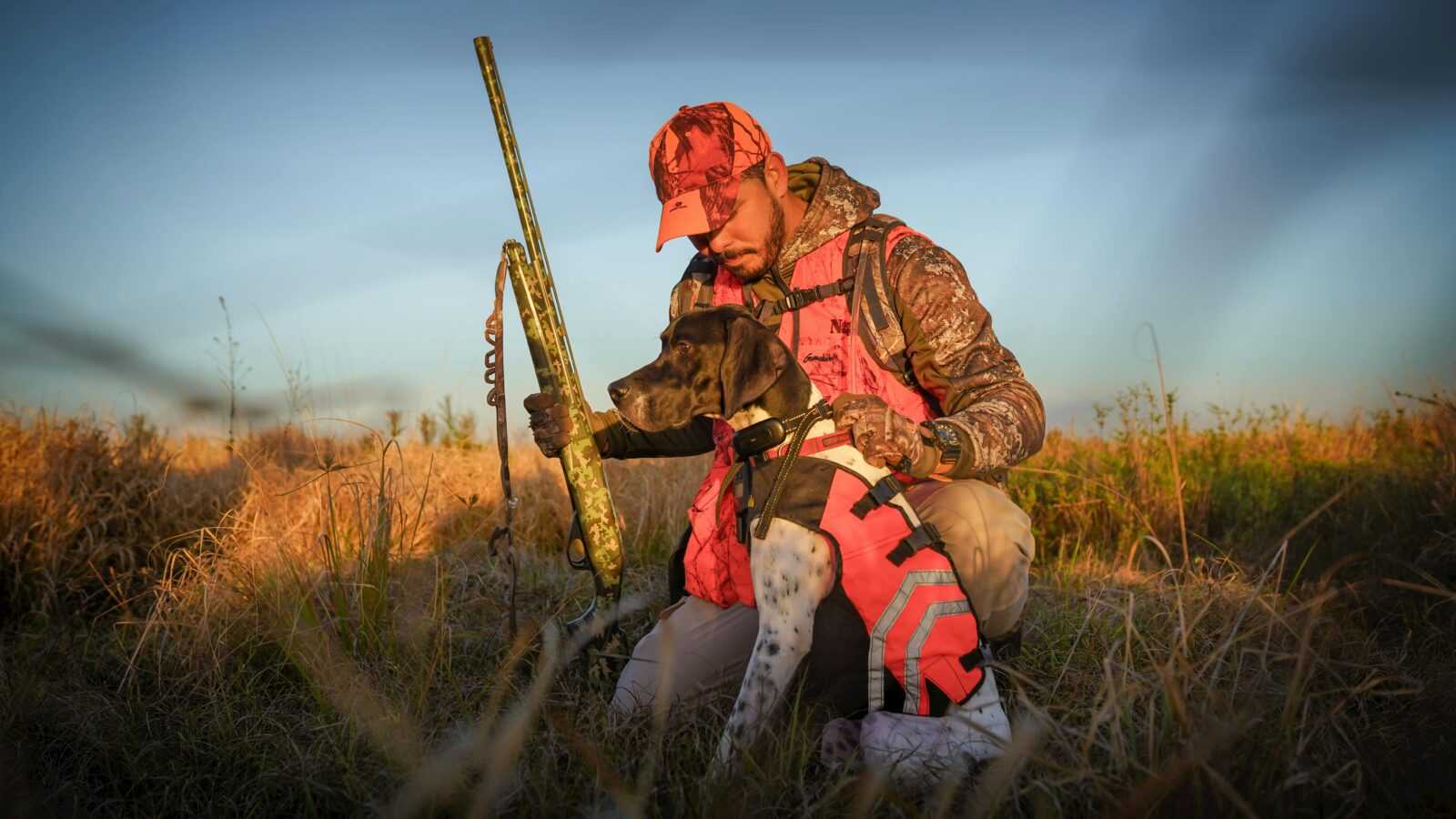
Preparation is where fieldcraft actually begins. The decisions made weeks before opening day, from how well a hunter knows the terrain to how ready their body is for long miles, shape everything that follows once boots hit the ground.
Scout Ground with Maps, Sign, and Access in Mind
The work that shapes a successful hunt rarely happens in the field. It happens weeks before, at a desk, with topographic maps pulled up and access routes marked on a GPS unit.
E-scouting lets hunters study elevation changes, water sources, and natural funnels without burning a single step of boot leather. Satellite imagery paired with topo layers can reveal transition zones, benches, and creek drainages where game behavior tends to concentrate, especially during seasonal shifts.
That digital prep should always be backed by compass skills. Electronics fail, batteries die, and remote terrain has a way of humbling overconfident navigation. Running a map-and-compass drill at home before the season costs nothing and could matter a great deal out there.
Once a hunter reaches the ground, the second layer of scouting begins: reading physical sign. Rubs, scrapes, trails, and feeding areas each tell a piece of the story that satellite imagery cannot. Combining both layers produces a clearer, more reliable picture of where to focus effort.
Train Your Body and Judgment for Long Days
Physical conditioning is one of the most overlooked parts of fieldcraft. A hunter who is winded after a two-mile climb is making poor decisions before the real work starts.
Building aerobic base and leg strength over months, not weeks, translates directly to quieter movement, better focus, and sharper observation late in the day when fatigue erodes judgment.
Mental preparedness matters just as much. Hunters who pre-think scenarios, including when to hold, when to move, and when to call off a stalk, respond with more discipline under pressure. Before the season, it is also worth taking stock of equipment. Updating optics, replacing worn boots, and trimming unused gear from the kit are all part of an honest pre-season audit. Those preparing to reassess their firearms as part of that process can find out what your firearm is worth before making any decisions.
Build a Gear Kit That Supports Your Skills
Carry Navigation, Fire, and Shelter Essentials
Gear should reinforce decision-making and mobility, not replace them. A well-built field kit gives a hunter the tools to act on their skills when conditions shift, without weighing them down or creating a false sense of security.
Navigation sits at the center of any serious kit. A GPS unit handles primary wayfinding, while a compass serves as the backup that never needs charging. Running both together is standard practice in remote terrain, where losing one tool should never mean losing your way.
Fire starting and shelter building support round out the safety core. A Ferro rod is more reliable than matches in wet conditions and takes up almost no space. Paired with a compact emergency bivy or tarp, it covers the thermal exposure risk that catches unprepared hunters off guard in fast-changing weather.
A first aid kit built around wilderness first aid principles completes the essentials cluster. It should address bleeding, sprains, and blister management at minimum, since those are the injuries that end hunts and, in serious terrain, become compounding problems fast.
Choose Clothing and Optics for the Terrain
Clothing choices follow terrain logic. Layering systems that manage moisture and insulation matter more than any single heavy garment. Boots should match the specific demands of the ground being covered, whether that means waterproofing for wet drainages or stiff soles for talus.
Camouflage selection works the same way. Pattern and color should match the dominant vegetation of the hunting environment rather than defaulting to a familiar brand.
Optics belong in the kit from day one. Quality binoculars extend a hunter’s observation range and reduce unnecessary movement, which is where most encounters are won or lost before a shot is ever considered.
Handle Setbacks Without Losing the Hunt
Even the most prepared hunters run into situations that do not go according to plan. What separates those who recover quickly from those who compound the problem is the ability to stay methodical when conditions change. Adaptable hunters, the ones who have thought through contingencies in advance, tend to stabilize setbacks faster and get back on track with less lost time.
Solve Common Field Problems with Simple Actions
Even well-prepared hunts run into problems. Weather closes in faster than forecast, footing gives way on loose terrain, or a long push leaves a hunter disoriented and further from camp than planned.
The response to each of those moments follows the same principle: stop pushing forward and start stabilizing the situation. Navigation is the first thing to reassess when a hunter feels unsure. Pulling up both a GPS unit and a compass together, rather than relying on memory, prevents small mistakes from compounding into serious ones.
From there, the practical tools in the kit earn their place. Fire starting with a Ferro rod can restore warmth and morale in deteriorating weather, while a compact tarp or emergency bivy addresses shelter building needs before body temperature becomes a real concern.
For physical injuries, basic first aid applied early makes a measurable difference. Wrapping a sprain, sealing a deep cut, and managing blisters before they worsen are all actions that keep a hunter mobile rather than stranded.
Know When Survival Skills Become Safety Skills
The shift from hunting mode to safety mode is a judgment call, and making it early is always the better option.
When weather, fatigue, or injury changes the risk calculation, survival skills stop being contingency tools and become the primary task. That means signaling capacity matters. A satellite communicator or personal locator beacon should be accessible, not buried in a pack.
Calm decision-making is what fieldcraft is ultimately built on. A hunter who stays methodical under pressure, checking navigation, managing warmth, and communicating their position, converts a deteriorating situation into a manageable one far more reliably than one who keeps pushing on instinct alone.
What Good Fieldcraft Really Comes Down To
Fieldcraft is not a checklist item. It is the accumulated result of preparation, honest observation, and disciplined choices made long before a hunter ever reaches the trailhead.
The skills covered throughout this article, from scouting and conditioning to navigation and shelter building, all point toward the same principle. Woodsmanship is built on attention, not equipment. Gear supports good decisions; it does not make them.
Survival skills, movement habits, and situational judgment compound over seasons. A hunter who walks away from a difficult situation safely, or closes the distance on a mature animal, usually succeeds because of what they practiced and noticed, not what they purchased. That is what fieldcraft, at its most practical, has always been.
 Ashleyen Gurganusoon, the founder of Terra Tactician Tactics, has always had a profound passion for the great outdoors and a deep-rooted belief in the power of nature to inspire and transform lives. With a background steeped in adventure and exploration, Ashleyen launched Terra Tactician Tactics to share her love for nature and to create a platform where outdoor enthusiasts of all levels can find valuable resources, expert advice, and the latest trends in outdoor activities. Her vision is to empower people to embrace the challenges and beauty of the wild, providing them with the knowledge and confidence to venture safely and enjoyably into nature.
Under Ashleyen’s leadership, Terra Tactician Tactics has become a trusted source for outdoor and survival enthusiasts worldwide. Her dedication to curating high-quality content on camping, hiking, backpacking, fishing, hunting, and adventure travel reflects her unwavering commitment to fostering a community that shares her passion for the outdoors. Ashleyen's approach is driven by her desire to help others experience the joys of nature and adventure while prioritizing safety, sustainability, and respect for the environment. Through Terra Tactician Tactics, she continues to inspire countless individuals.
Ashleyen Gurganusoon, the founder of Terra Tactician Tactics, has always had a profound passion for the great outdoors and a deep-rooted belief in the power of nature to inspire and transform lives. With a background steeped in adventure and exploration, Ashleyen launched Terra Tactician Tactics to share her love for nature and to create a platform where outdoor enthusiasts of all levels can find valuable resources, expert advice, and the latest trends in outdoor activities. Her vision is to empower people to embrace the challenges and beauty of the wild, providing them with the knowledge and confidence to venture safely and enjoyably into nature.
Under Ashleyen’s leadership, Terra Tactician Tactics has become a trusted source for outdoor and survival enthusiasts worldwide. Her dedication to curating high-quality content on camping, hiking, backpacking, fishing, hunting, and adventure travel reflects her unwavering commitment to fostering a community that shares her passion for the outdoors. Ashleyen's approach is driven by her desire to help others experience the joys of nature and adventure while prioritizing safety, sustainability, and respect for the environment. Through Terra Tactician Tactics, she continues to inspire countless individuals.