
Know What You’re Getting Into
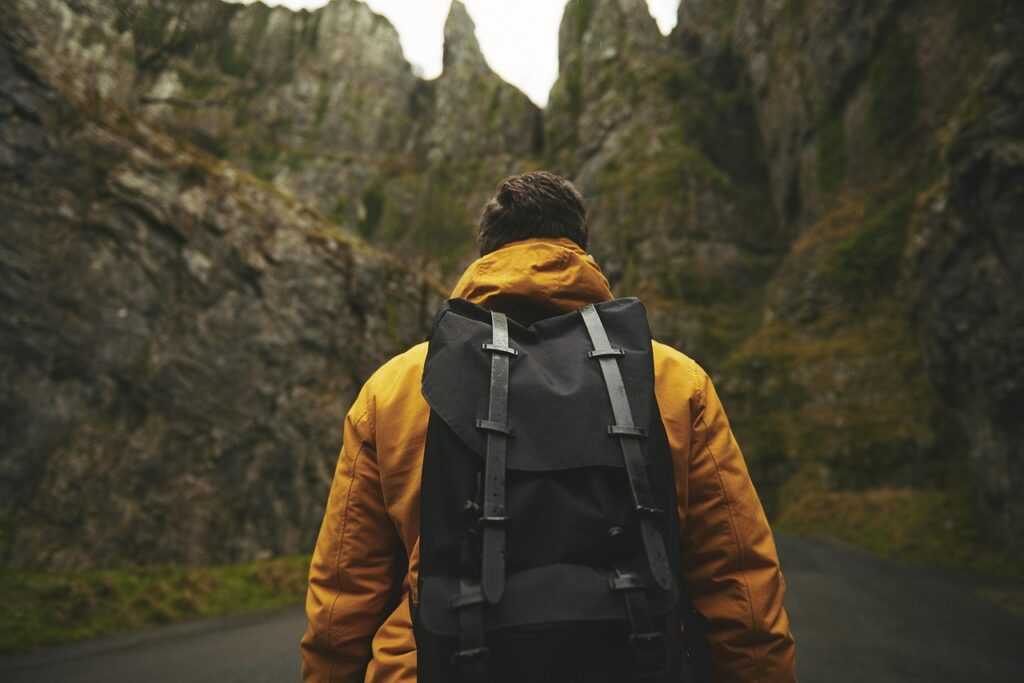
Overnight backpacking isn’t just a longer day hike. It’s a different beast. You’re carrying your world on your back food, shelter, clothes, water. Everything adds weight, and weight changes how you move. Trails that felt easy on a weekend morning can turn grueling when you’ve got 30 pounds strapped to your shoulders.
Planning is critical. Not just where you’re going and how far, but also where you’ll sleep, where you’ll refill water, what time the sun sets. A simple miscalculation like underestimating elevation or forgetting bug spray can turn your trip into a sufferfest. Do your homework. Read trail reports. Watch the weather. Have a bailout option.
And yes, it’ll be tough. Your legs might ache, your shoulders might scream a little, and your mind will probably chatter louder than you’d expect. That’s part of it. The discomfort makes the views sweeter and sleep deeper. You’re not just getting outside you’re stepping into something raw, exhausting, and strangely addictive.
Planning a Simple, Smart Route
Picking the right trail makes or breaks your first overnighter. Aim for something under 10 miles round trip, ideally with gentle elevation and a clearly marked path. You want to enjoy the process, not grind through steep switchbacks wondering if you’re lost. Forest service trails, national parks, and popular state parks usually have beginner friendly loops with maintained campsites and water access.
Now, about trail type. A loop trail keeps things interesting you don’t see the same landscape twice. But for your first trip, an out and back can be simpler and less stressful. You know exactly how much ground you’re covering, and if something goes sideways, turning back is straightforward. Save loops for your second or third trip when your confidence (and your quads) are stronger.
When estimating your hiking time, factor in the added weight of your gear. A good rule of thumb: if you normally hike 2.5 miles per hour on a day hike, expect to average closer to 1.5 2 mph with a full pack. Add extra time for climbs, breaks, or if you’re adjusting to new boots. Always assume you’ll move slower than expected and that’s okay. Overnight trips are about pacing, not racing.
The Gear Essentials You’ll Actually Use
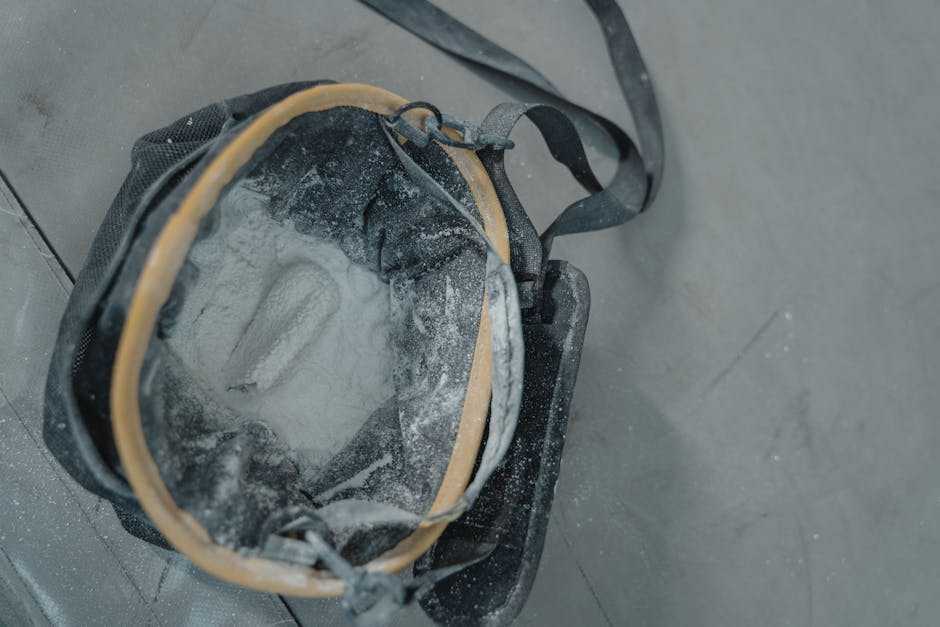
Start with the Big Three: your pack, your shelter, and your sleep system. These carry your life on the trail. Choose a pack that fits snug and has hip support it should feel like an extension of your body, not a burden. As for shelter, keep it simple and light. A two person tent gives breathing room. Solo? A bivy or tarp setup keeps weight down. For sleep, a decent sleeping bag matched to the season and a compact pad are non negotiable. You’ll be wrecked without proper rest.
Clothing matters just as much. Think layers: moisture wicking base, insulating mid, weatherproof outer. Stay dry to stay warm. You’ll sweat. Then you’ll freeze. Fast dry fabrics and smart layer management are your defense.
Food and water aren’t just fuel. They’re part of your safety system. Pack calorie dense, no prep snacks with a mix of carbs, protein, and fats. For water, carry at least two liters and bring a filter or purifier streams beat hauling weight.
And yeah, don’t overpack. It’s the number one rookie mistake. If it’s not keeping you alive, dry, or fed, leave it. Function beats comfort every time. Check your ego and bring only what earns its spot.
To prep smart, use this full backpacking gear checklist. It keeps your kit lean, useful, and trail ready.
Expect the Unexpected
Overnight backpacking is both thrilling and unpredictable. Even the best laid plans can be tested by the outdoors. Being mentally prepared is just as important as physical prep.
Stay Mentally Flexible
Things don’t always go according to plan. Weather shifts, sore feet, or a gear mishap can quickly change your experience. Your mindset is your first line of defense:
Expect discomfort: blisters, sore shoulders, and fatigue come with the territory
Stay calm when things go wrong adapt, don’t panic
Accept that mistakes are part of learning and growing as a backpacker
Trail Etiquette: Respect the Wild and Others
Sharing the outdoors means following a few key guidelines that keep the experience safe and enjoyable for everyone:
Leave No Trace: Pack out all trash, be mindful of your impact, and stick to designated trails and campsites
Yield Rules: Uphill hikers have the right of way; step aside respectfully and communicate clearly
Camp Etiquette: Keep noise levels low, avoid crowding others, and follow fire regulations
Safety Tips for Every Trip
Whether you’re heading out solo or with friends, safety is non negotiable. A few smart habits go a long way:
Let someone know your route and return time
Carry a basic first aid kit and know how to use it
Use a reliable map or navigation app and know how to use it without signal
Be mindful of wildlife and food storage requirements
What may seem like small decisions can make or break your trip. Planning for the unexpected isn’t about fearing it it’s about being ready to enjoy the trail no matter what comes your way.
Final Trail Thoughts
Overnight backpacking can sound intense, especially if you’re new to it but don’t let it freeze you up. Treat it with respect: do your prep, learn your gear, know your route. At the same time, don’t overthink every step. You’ll make small mistakes. Everyone does. That’s part of the learning curve.
These trips teach you fast. After one night out with a loaded pack and a real sunset, you’ll come back with a better sense of your limits, your gear, and what really matters out there. The lessons stick. You’re not just checking off miles you’re building your self reliance.
Before each trip, run through this backpacking gear checklist. It’ll save you from forgetting stuff that’s easy to overlook until it’s too late like headlamps or stove fuel.
Start small, go steady, be stubborn. That’s how you grow into it.
 Ashleyen Gurganusoon, the founder of Terra Tactician Tactics, has always had a profound passion for the great outdoors and a deep-rooted belief in the power of nature to inspire and transform lives. With a background steeped in adventure and exploration, Ashleyen launched Terra Tactician Tactics to share her love for nature and to create a platform where outdoor enthusiasts of all levels can find valuable resources, expert advice, and the latest trends in outdoor activities. Her vision is to empower people to embrace the challenges and beauty of the wild, providing them with the knowledge and confidence to venture safely and enjoyably into nature.
Under Ashleyen’s leadership, Terra Tactician Tactics has become a trusted source for outdoor and survival enthusiasts worldwide. Her dedication to curating high-quality content on camping, hiking, backpacking, fishing, hunting, and adventure travel reflects her unwavering commitment to fostering a community that shares her passion for the outdoors. Ashleyen's approach is driven by her desire to help others experience the joys of nature and adventure while prioritizing safety, sustainability, and respect for the environment. Through Terra Tactician Tactics, she continues to inspire countless individuals.
Ashleyen Gurganusoon, the founder of Terra Tactician Tactics, has always had a profound passion for the great outdoors and a deep-rooted belief in the power of nature to inspire and transform lives. With a background steeped in adventure and exploration, Ashleyen launched Terra Tactician Tactics to share her love for nature and to create a platform where outdoor enthusiasts of all levels can find valuable resources, expert advice, and the latest trends in outdoor activities. Her vision is to empower people to embrace the challenges and beauty of the wild, providing them with the knowledge and confidence to venture safely and enjoyably into nature.
Under Ashleyen’s leadership, Terra Tactician Tactics has become a trusted source for outdoor and survival enthusiasts worldwide. Her dedication to curating high-quality content on camping, hiking, backpacking, fishing, hunting, and adventure travel reflects her unwavering commitment to fostering a community that shares her passion for the outdoors. Ashleyen's approach is driven by her desire to help others experience the joys of nature and adventure while prioritizing safety, sustainability, and respect for the environment. Through Terra Tactician Tactics, she continues to inspire countless individuals.