
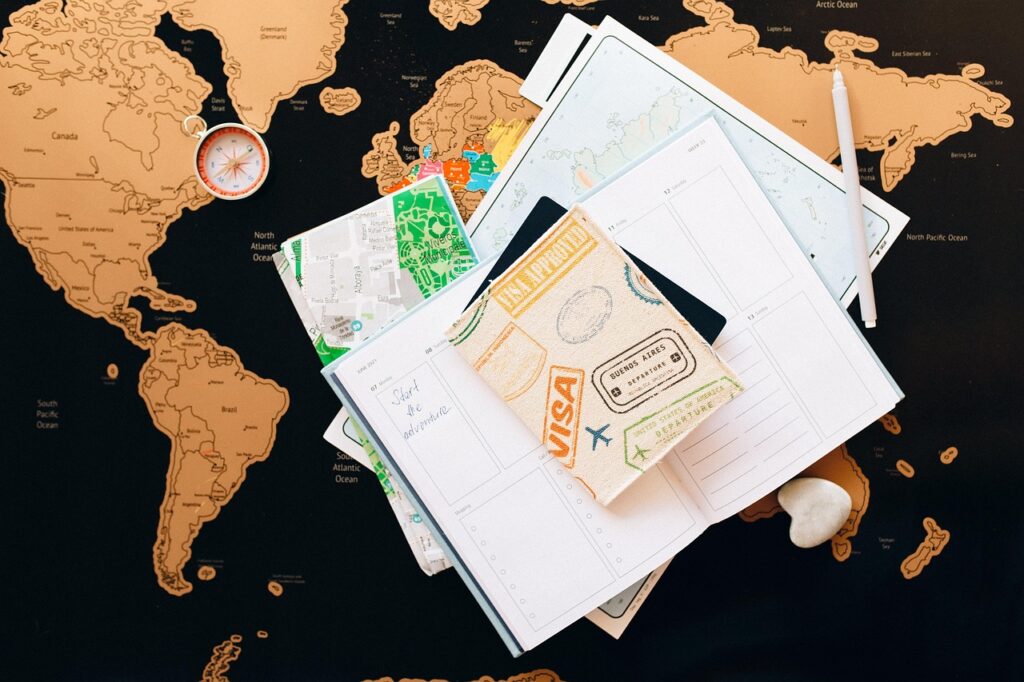
Zero In On Your Adventure Style
Start with the big question: what kind of thrill are you actually looking for? Not every adventure needs to involve cliff diving or backcountry blizzards. Some travelers crave speed and risk others want slow mornings, remote trails, and views that don’t come with a harness. There’s no right answer, but there is a right fit for you.
Your itinerary should reflect your risk tolerance and your physical bandwidth. If you’re not a seasoned hiker, planning six days of alpine trekking isn’t ambitious it’s a recipe for burnout. Likewise, if you’re wired for motion, a scenic rail journey might leave you restless.
Adventure isn’t a competition. It’s not about pushing yourself to collapse. It’s about choosing experiences that feel alive, fresh, and a little outside your normal. Whether that’s whitewater or wine country, the goal is the same: stretch in a way that still feels sustainable. Match your fuel to your engine, and the ride holds up.
Start With Your Time and Budget
The calendar is your first tool not a spreadsheet, not a packing list. Lock down your departure and return dates, then work backward. Ask what you genuinely have time for, not just what sounds cool. Overloading your days turns adventure into stress fast.
Factor in buffer time. Flights get delayed. Roads flood. You have a stomach. Build in a day or two for recovery or weather related downtime. These aren’t wasted they give your itinerary breathing space.
As for budget, don’t just tally the obvious: flights, stays, gear rentals. Leave cash for the weird detours pop up night markets, last minute rafting trips, or just a really good burger in the middle of nowhere. Spontaneity costs money, but it pays off. Plan for both the essentials and the unexpected.
Choose the Right Travel Framework
Planning a great adventure itinerary doesn’t start with booking attractions it starts with how you structure your travel days. Choosing the right overall framework helps you stay efficient, flexible, and focused on the experiences that matter most.
Pick Your Route Style
Not all adventure routes are created equal. Consider the pros and cons of each layout:
Loop Itineraries: Start and finish in the same location great for rental returns and consistent logistics. Ideal for circular trail hikes, national park circuits, or multi day bike trips.
Point to Point Itineraries: Begin in one place, end in another often more adventurous but requires careful transport planning. These work well for thru hikes, coastal road trips, or gradual elevation treks.
Hub Based Itineraries: Stay in one central location and venture out to explore. A solid choice for slower paced trips, photography based travel, or if you’re minimizing packing up and moving every day.
Decide How You Want to Travel
Adventure can be solo, structured, or somewhere in between. Match your trip style with your planning bandwidth:
Guided Tours
Pros: No logistics stress; local insight; safety handled
Cons: Less flexibility; can be pricier; fixed pace
DIY Trips
Pros: Full freedom; budget friendly; custom experience
Cons: Requires more prep; higher pressure on logistics
Hybrid Setups
Pros: Mix of autonomy and convenience; take advantage of local expertise for select activities
Cons: Can be harder to coordinate, especially if regions are remote
Transport and Gear: What Powers Your Plan?
Getting around efficiently and traveling light takes precedence in many adventure trips. Answer these questions before you go:
Will local transport (like buses or shared jeeps) serve your route, or do you need a rental vehicle for freedom of movement?
Are you bringing specialized gear (backpacks, bikes, climbing gear), or will you rent on site?
What balance of cost, mobility, and simplicity fits your daily schedule?
For a deeper breakdown of the pros and pitfalls for each framework, check out the full travel itinerary guide.
Map Your Must Do Experiences

Every adventure trip hinges on a handful of unforgettable moments. Start there. Pick the activities that define the reason you’re going in the first place whether it’s bagging a summit, diving a reef, or hiking to a glacier fed lake. Get those pinned first, and plan everything else around them.
Timing matters too. Some experiences demand a clock. Use early mornings for crowd free sunrise hikes, midday for downtime or logistics, and late afternoon for golden hour safaris or paddles. Avoid stacking high output activities back to back unless you’re aiming for burnout.
Leave space. Seriously. A half day with nothing scheduled lets you chase a recommendation from a local, deal with trail delays, or simply sit still somewhere beautiful. Flexibility is part of the adventure.
Plot the essentials, know the peaks, and keep room for magic along the way.
Don’t Skip the Safety Net
Adventure travel rewards boldness, but not recklessness. Before you even think about boarding a plane or strapping on a pack, handle the paperwork. Get the permits. Buy the insurance. Load your emergency contacts into both your phone and a paper backup. Losing signal shouldn’t mean losing common sense.
Bring an offline map yes, the old school kind that works without Wi Fi or batteries. Download key area maps to your phone too, just in case. Jot down local contact info: hospitals, embassies, the ranger station whatever’s relevant for where you’re headed.
Last but not negotiable: know what you’re physically signing up for. Read beyond the headlines. That canyon scramble looks fun until you’re slip sliding in bad shoes or wheezing at altitude. Cross check the weather forecast, trail conditions, and any relevant physical requirements. A little planning keeps fun from turning frantic.
Sync Your Calendar With Reality
Timing can make or break an adventure. That perfect trail might turn into a muddy mess during the rainy season, or your bucket list temple visit could get swallowed by a three day local festival. Always check local holidays, festivals, and seasonal quirks before locking in dates. This isn’t about being rigid it’s about not showing up to a closed gate or a crowded trailhead.
Dig into local forums, honest blog posts, or even message boards. Tourist guides point to the same ten places; locals know which beach is empty on a Tuesday. That kind of intel saves you from wasting time or energy and gives your trip a fresh edge.
And here’s the thing: don’t try to do it all. The most memorable moments usually aren’t on a checklist. Leave room for detours, nap days, or that tiny cliffside diner you didn’t know existed. You’re not shooting a documentary. You’re living an experience. Let it breathe.
Build It Intentionally
Creating an adventure itinerary isn’t just about picking cool activities it’s about assembling them in a way that allows you to actually enjoy the journey. Smart structure can be the difference between a trip that flows and one that feels chaotic.
Balance Movement with Recovery
Too many travel days in a row can quickly drain your energy, especially when elevation, weather, or physical effort are involved. Think of your itinerary like an athlete’s schedule: periods of exertion should be followed by rest.
Don’t plan back to back high output days (like summit hikes followed by river rafting)
Include light or free days to explore casually or reset
Make space for downtime so you don’t burn out mid trip
Group Activities by Geography
Jumping across regions wastes time, money, and momentum. Instead, organize your adventure days so you’re doing multiple activities in the same general area before moving locations.
Cluster hikes, rides, or tours by proximity
Minimize daily transit more time outdoors, less time commuting
Consider multiple nights in one spot to anchor more flexible days
Pack with Purpose
Your gear should match the demands of individual days, not just the trip as a whole. When you group activity types together, you can simplify packing and reduce daily decision fatigue.
Label each day by its primary activity (e.g., “Cliffside Scramble,” “Snorkel Lagoon,” “Transit Day”)
Streamline gear per day to minimize overpacking
Use color coded packing cubes or lists to stay organized
Need a full breakdown and customizable planner formats? Check out our complete travel itinerary guide for a step by step walkthrough.
 Dominic Reed brings his extensive experience in outdoor survival and adventure sports to Terra Tactician Tactics, where he plays a crucial role in the platform's development. With a background in outdoor education and a deep love for wilderness exploration, Dominic is committed to creating content that inspires and informs readers. He specializes in writing articles on survival skills, advanced camping techniques, and gear recommendations, drawing from his own adventures and hands-on expertise. Dominic's practical approach and engaging storytelling help readers prepare for their outdoor pursuits, ensuring they are well-equipped for whatever nature throws their way.
In addition to his writing, Dominic actively collaborates with the team to expand the platform's reach and impact. He is passionate about connecting with the outdoor community and sharing his knowledge with those eager to learn more about survival tactics and adventure sports. His contributions have been instrumental in positioning Terra Tactician Tactics as a go-to resource for enthusiasts seeking to elevate their outdoor experiences. Dominic's dedication to the project is driven by his belief in the transformative power of nature and his desire to help others develop a deeper connection to the wild.
Dominic Reed brings his extensive experience in outdoor survival and adventure sports to Terra Tactician Tactics, where he plays a crucial role in the platform's development. With a background in outdoor education and a deep love for wilderness exploration, Dominic is committed to creating content that inspires and informs readers. He specializes in writing articles on survival skills, advanced camping techniques, and gear recommendations, drawing from his own adventures and hands-on expertise. Dominic's practical approach and engaging storytelling help readers prepare for their outdoor pursuits, ensuring they are well-equipped for whatever nature throws their way.
In addition to his writing, Dominic actively collaborates with the team to expand the platform's reach and impact. He is passionate about connecting with the outdoor community and sharing his knowledge with those eager to learn more about survival tactics and adventure sports. His contributions have been instrumental in positioning Terra Tactician Tactics as a go-to resource for enthusiasts seeking to elevate their outdoor experiences. Dominic's dedication to the project is driven by his belief in the transformative power of nature and his desire to help others develop a deeper connection to the wild.